H-vision partners

The Upcycle Hydrogen consortium brings together a wide range of parties – most of them from Rotterdam’s port and industrial area. Together, they represent the entire hydrogen chain – from producers to end users. In mid-2019, Upcycle Hydrogen published an extensive feasibility study that shows how its project will yield swift and substantial carbon savings. At the moment, the conditions are being finalized and permits are being applied for.
The participating parties are: Air Liquide, bp, Deltalinqs, ExxonMobil, Shell and Royal Vopak. The Upcycle Hydrogen concept is supported by the CO2 abatement strategies of the municipality Rotterdam, the Province of South Holland, the national government and the European Commission. Furthermore, the national government has created a new category in the Dutch SDE++ subsidy scheme, which supports hydrogen production from process gases for generation of industrial heat.

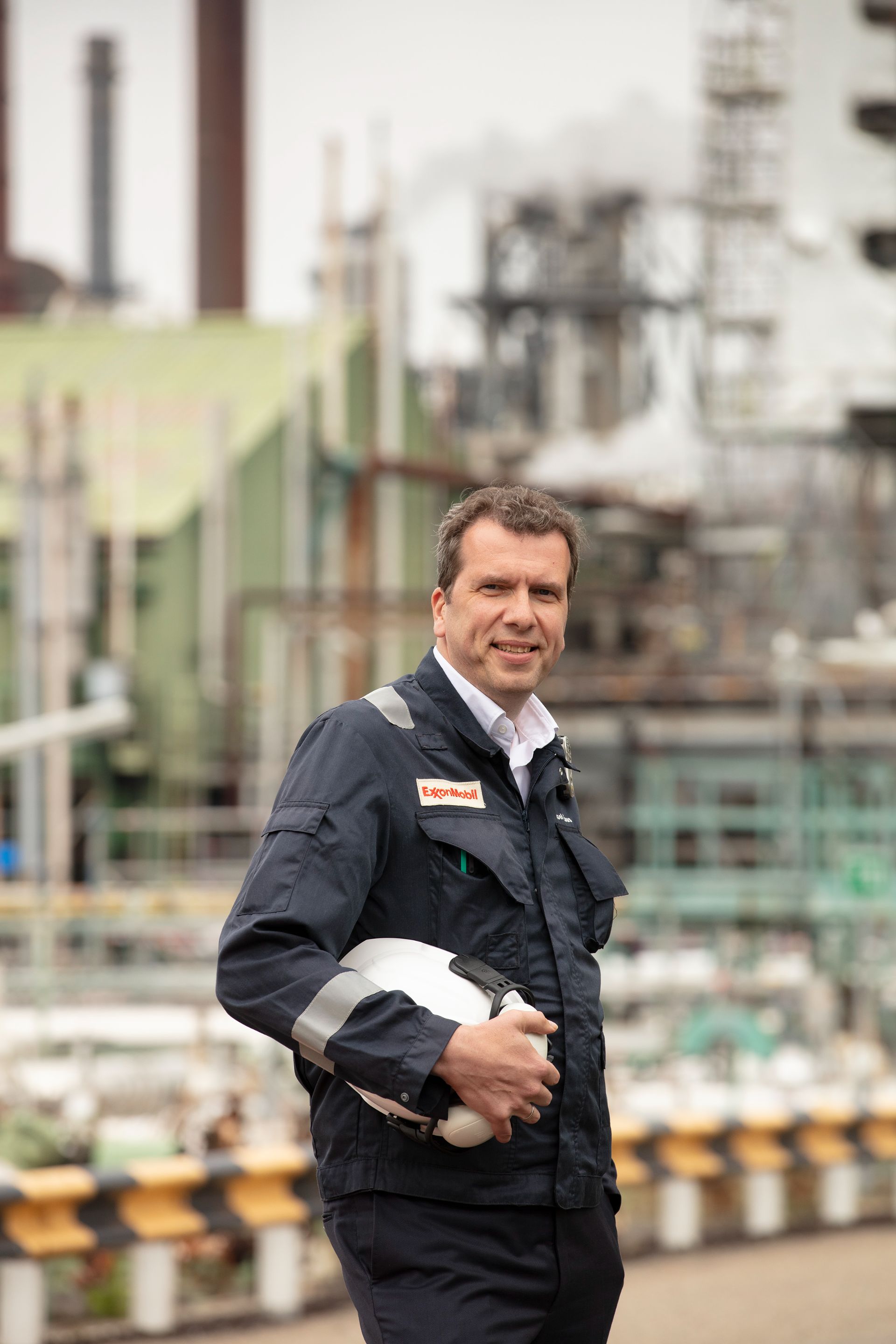
Roel Ebus
Venture Advisor
'Our company wants to help meet the global and evolving need for essential products at affordable prices. At the same time, we want to play a leading role in the energy transition. We limit the emissions of ourfacilities in Rotterdam by continuously working on energy-efficiency, but also by looking for application of new technologies, often with other companies. One of these examples is the Porthos project, where largeamounts of CO2 are going to be stored underground. Another example is the Carbonate Fuel Cell pilot project where we are going to test at scale an innovative carbon capture technology in an industrialenvironment. The Upcycle Hydrogen concept also fits very well within this ambition. The use of (residual) refinery fuel gas to produce hydrogen for industrial heat at large scale can significantly help to reduce CO2 emissions in the port of Rotterdam. This requires collaboration between companies, governmental parties and other stakeholders to ensure that the technology challenges and related investments are well understood and that a viable business case can be created.'
Roel Ebus

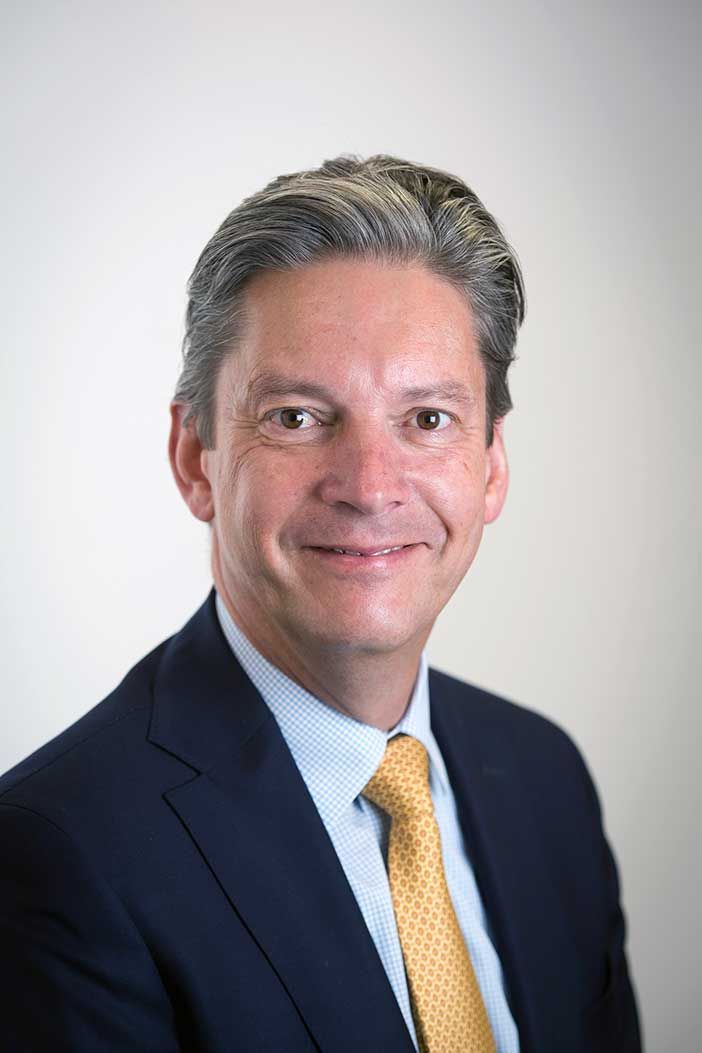
Ruud de Jongh
Vice President Gas & Hydrogen Partnership Shell
The Netherlands
'Dutch industry is working hard to reduce CO2 emissions, making significant contribution to the objectivesof the Dutch Climate Agreement. Hydrogen plays a crucial role in this, as it can replace fossil fuels in many industrial processes. Shell has taken a major step with the construction of Holland Hydrogen 1 on Maasvlakte 2, a 200 megawatt electrolyzer. However, in this short term, market demand is still insufficient to produce green hydrogen on the promising large scale. To achieve a significant CO2 reduction, blue hydrogen can be an important intermediate step. The implementation of the Upcycle Hydrogen concept is a good example. Shell also contributes to CO2 storage among other things, the Aramis project.
Ruud de Jongh

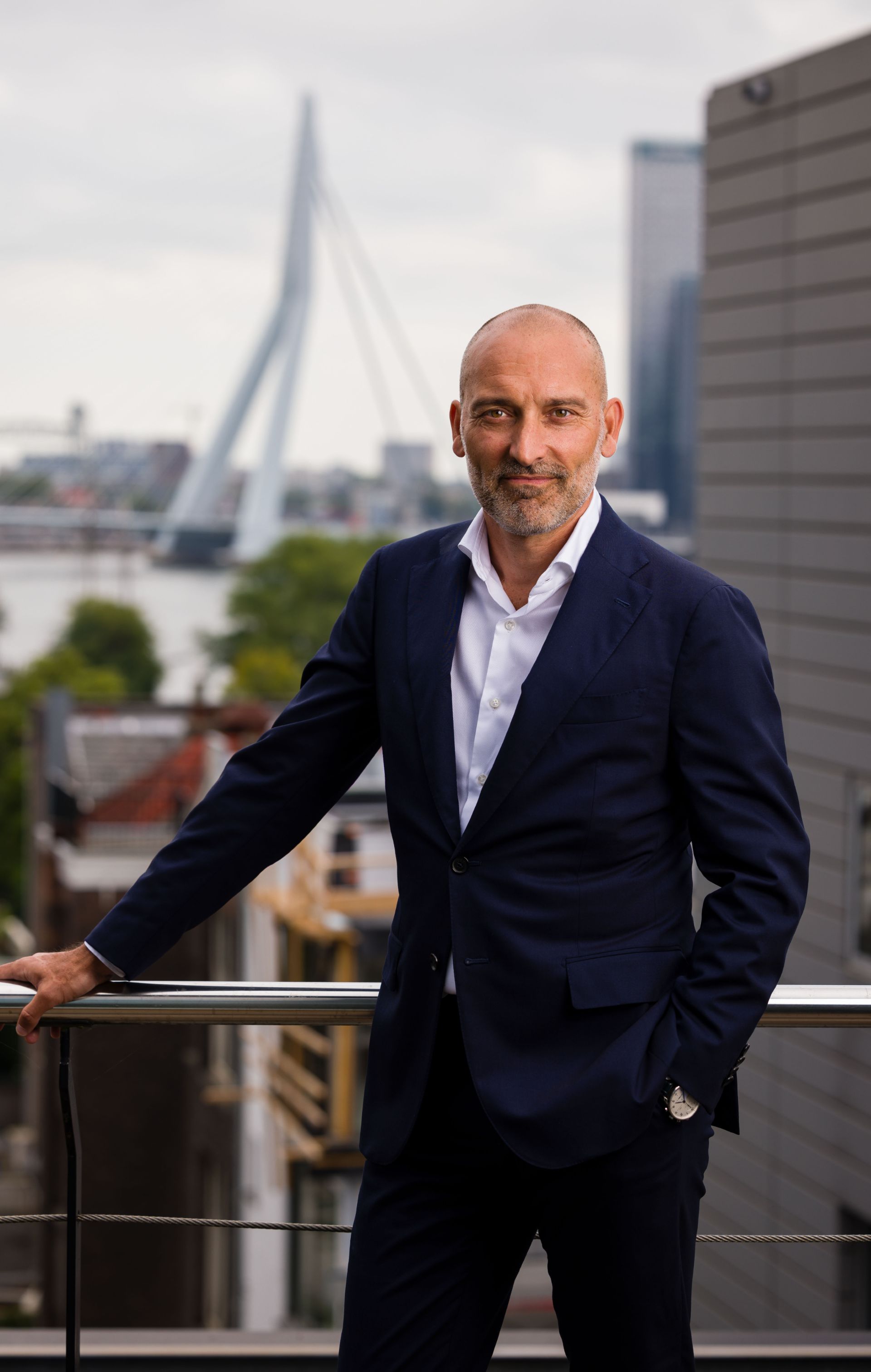
Walter Moone
President Vopak Business Unit Netherlands
‘We help the world flow forward”. That’s what Vopak stands for – for more than 400 years. Hydrogen is important to accelerate the energy transition. We expect Rotterdam to establish itself as a major international hub where hydrogen is produced, consumed, traded, imported and exported to industrial clients in North West Europe. And we need to take action as soon as possible – for the sake of the global climate. Low carbon hydrogen will play a key part in getting the hydrogen economy off to a good start. That is why we are determined to develop the infrastructure required for both the import and distribution of green hydrogen and for the producers and users of the low carbon hydrogen, produced from residual gases, supplied by the H-vision network. We look forward to the challenge of connecting a range of different companies – each with its own requirements – to the same infrastructure. And we see it as our reward that we will be able to help our clients achieve their sustainability and climate goals, as well as become a part of the future’s new value chains.’
Walter Moone

Corné Boot
Head of Country, bp the Netherlands
‘The H-vision project is extremely important for the Port of Rotterdam because once it has been implemented, we will be able to take major steps forward in realising Rotterdam's ambition to be completely carbon-neutral by 2050 and help the rest of the world achieve this same goal. In addition, the project plays an important part in further raising the sustainability of heat and electric power generation.'
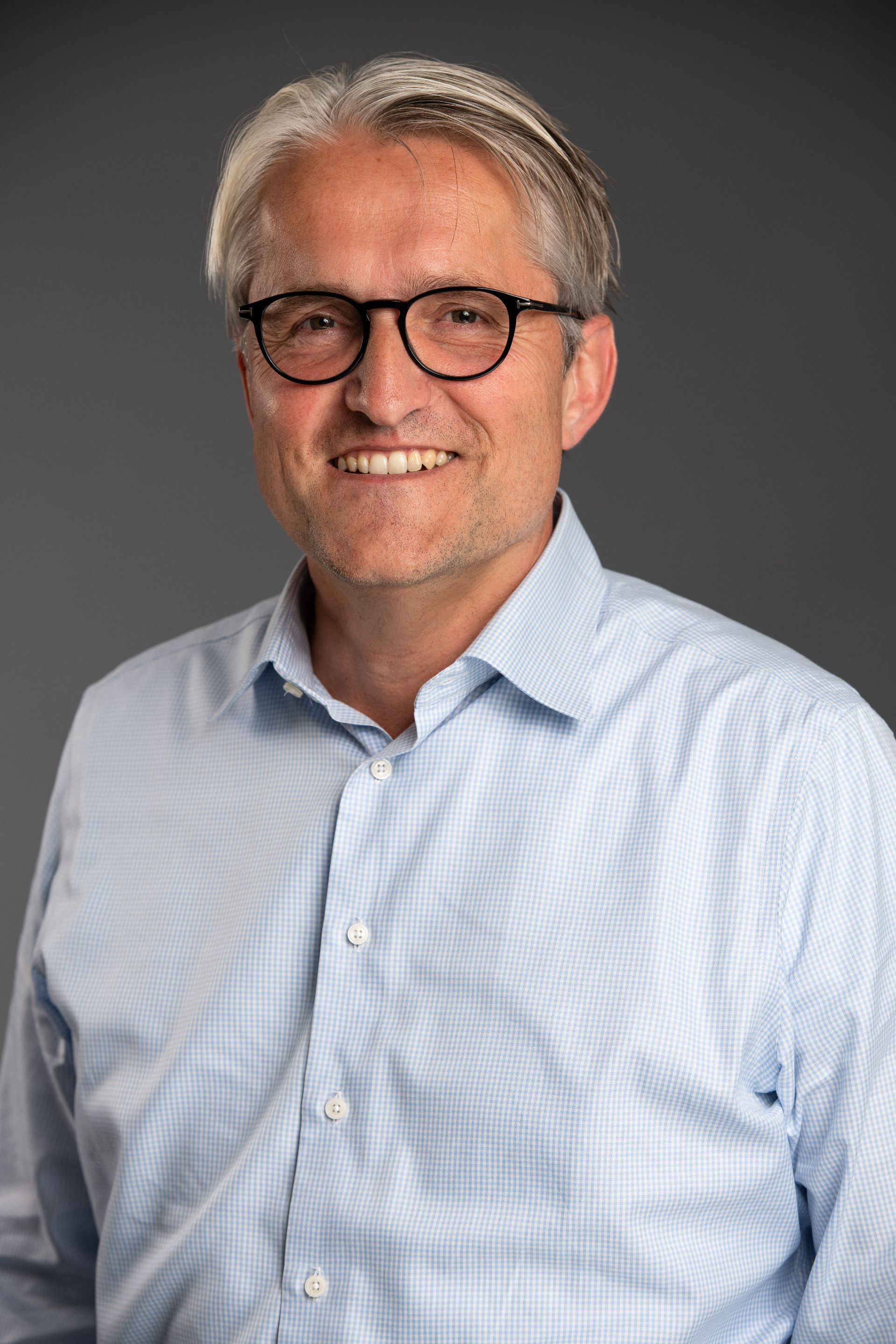
Corné Boot

Bas Janssen
Managing Director Deltalinqs
'Residual gases are inherent to chemical processes. Converting these residual gases into low-carbon hydrogen is both useful and important, now and in the future, for a sustainable Port of Rotterdam. This low-carbon hydrogen can then be used to heat industrial processes, significantly contributing to the reduction of CO₂ emissions in the port. To establish the right framework conditions and enable the realization of these types of projects, collaboration is required between companies, government and other stakeholders. As the business association representing companies in the Port of Rotterdam and industrial sector, Deltalinqs acts as the connecting factor between these partners. Where necessary, we will continue to stimulate further collaboration and are committed to jointly creating the right conditions to make this possible.'
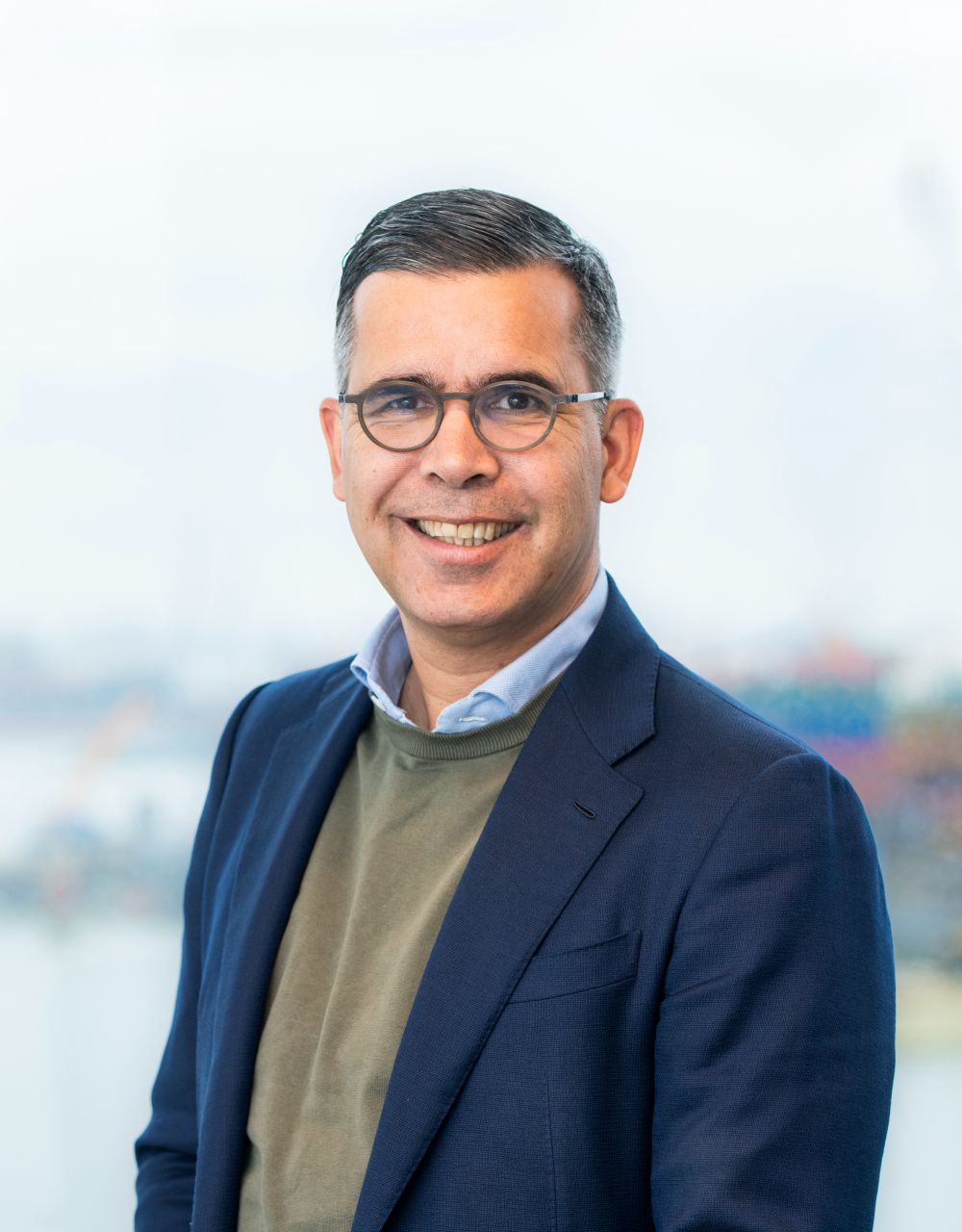
Bas Janssen

Gert Jan ten Cate
Managing Director Air Liquide Industrie BV
'Air Liquide's ambition is to be a leader in the sustainability and production of industrial gases and thus contribute to achieving climate goals. In 2021, Air Liquide announced its further ambitions and goals for 2035. With a global approach, the group is taking active measures to achieve climate goals withsustainable, low-carbon solutions. The development of the Upcycle Hydrogen concept is an example of this.'
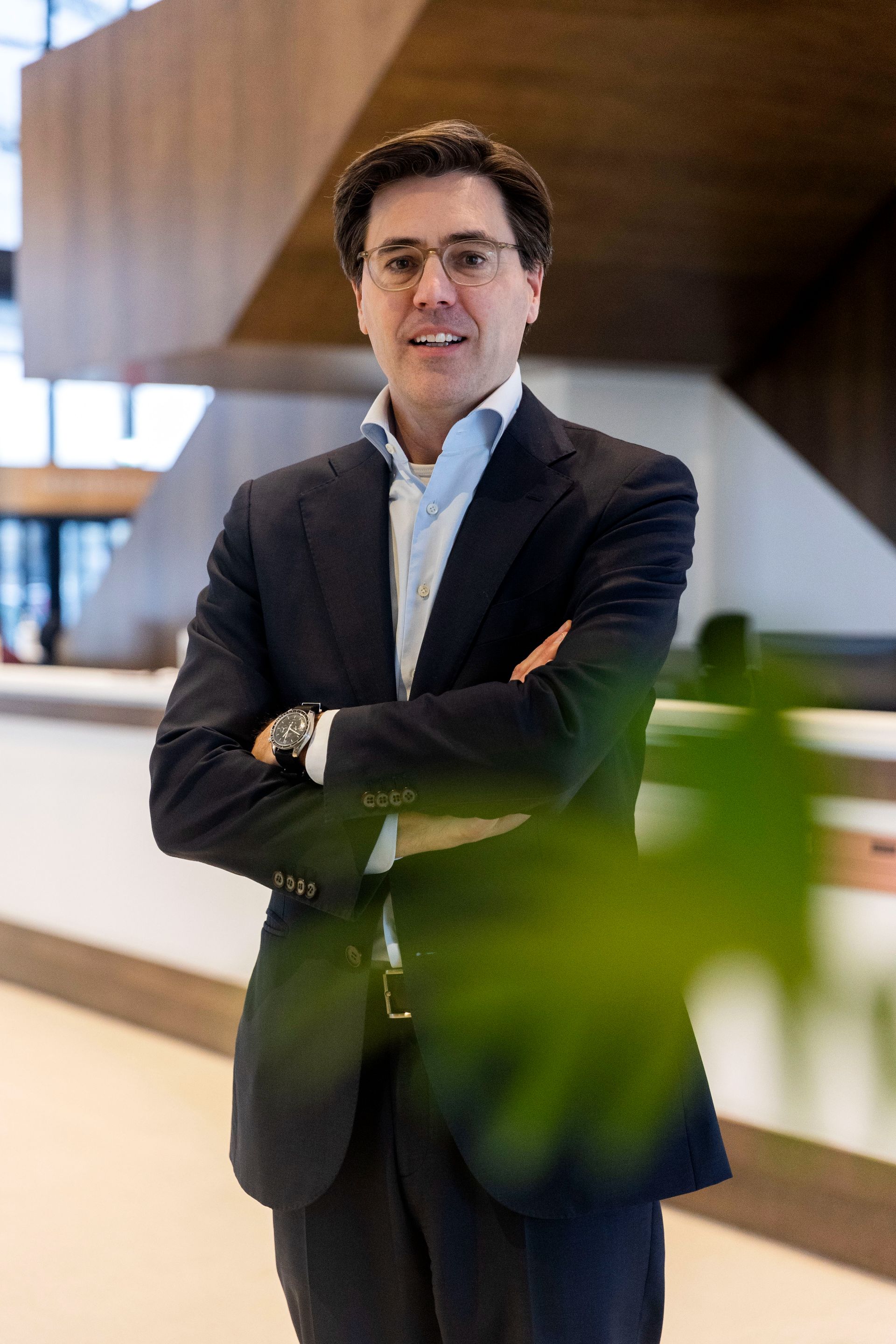
Gert Jan ten Cate